
The mission, launched on April 1, 2026, from Kennedy Space Center, carries with it a different kind of purpose, one shaped by long-term ambition.
EDITOR’S PICKS
- Judge Frees 37 Inmates Over Prolonged Detention in Akwa Ibom
- Trump Threatens Iran Over Energy Attacks
- Tinubu Excludes Kemi Badenoch from UK State Visit Itinerary
Where the Apollo missions were driven by urgency, Artemis II moves with intention, asking whether humanity is ready to go further and stay longer. In that sense, the mission is as much about the future as it is about the past.
What Artemis II Means For Humanity
To understand what Artemis II means, it helps to understand what has changed in 50 years. During the Apollo era, reaching the Moon was the goal.
Today, the Moon is no longer the destination, but the starting point. Artemis II reflects a shift from short-term achievement to long-term presence, from planting flags to building systems that can sustain human life beyond Earth.
It is about proving that space travel can move from rare missions to something more continuous and reliable. It is also about who gets to be part of that journey, and how humanity defines itself when it is no longer confined to one planet.
A Return Beyond Earth Orbit
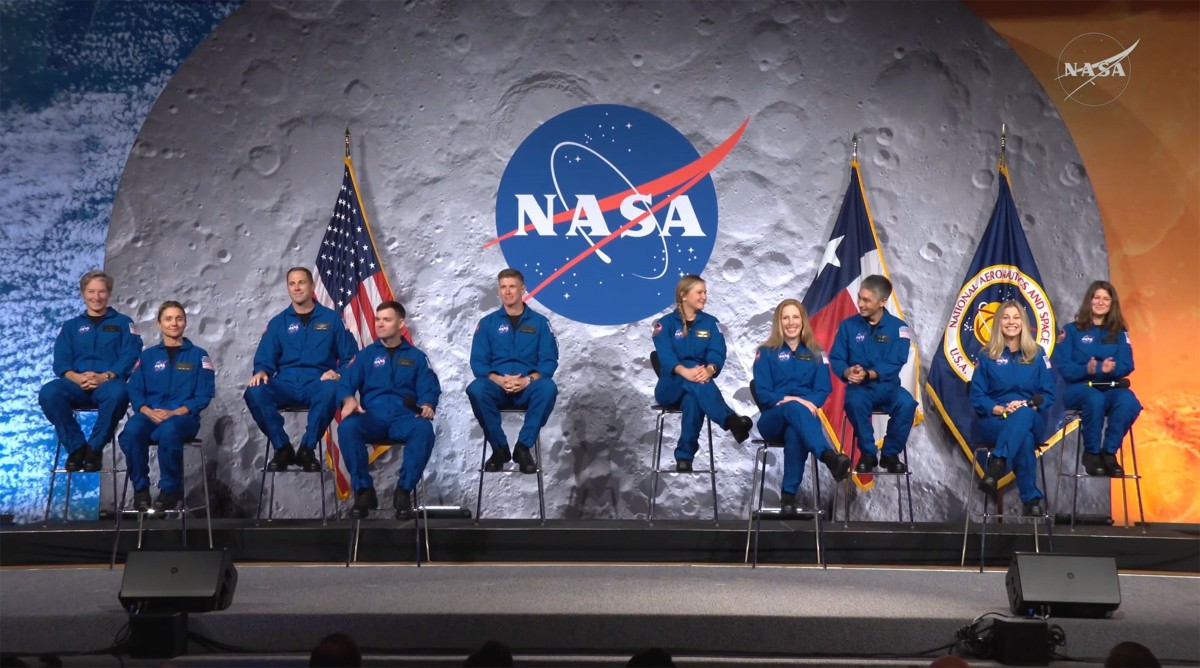
Inside the spacecraft are four astronauts whose presence reflects the present more than the past. Reid Wiseman leads the mission alongside Victor Glover, Christina Koch, and Jeremy Hansen.
Their journey signals a broader idea of who space belongs to, expanding beyond the narrow image that defined the Apollo era.
It is the first time a woman, a Black astronaut, and a non-American have travelled this far from Earth, and that matters not just symbolically, but historically.

As Orion moves along its path, the mission becomes less about the launch and more about endurance.
The spacecraft travels hundreds of thousands of kilometers from Earth, eventually looping around the Moon and pushing even farther into space before returning.
At that distance, communication is delayed, systems must function without constant oversight, and the crew must rely on training rather than immediate support.
When the spacecraft passes behind the Moon, contact with Earth is briefly lost, creating a silence that highlights just how far humanity has travelled.
Testing The Path to a Lunar Future
What Artemis II reveals is that returning to deep space is not simply a continuation of the past, but a redefinition of it. Life inside Orion is controlled, measured, and often uncomfortable, with limited space and tightly structured routines.
Every system is being tested under real conditions, from life support to navigation, because the success of future missions depends on what is learned here.
Even small issues take on significance. Early reports of a toilet malfunction, for instance, serve as a reminder that space travel is still an evolving challenge, where no detail is too minor to matter.
The mission is not designed to land on the Moon, and that is intentional. Instead, it focuses on proving that humans can travel safely to deep space and return.
Engineers are closely watching how the spacecraft performs, particularly during reentry, when Orion will face extreme heat and pressure as it passes through Earth’s atmosphere at high speed.
This is where the mission’s success will ultimately be measured, not in how far it travels, but in how well it brings its crew home.
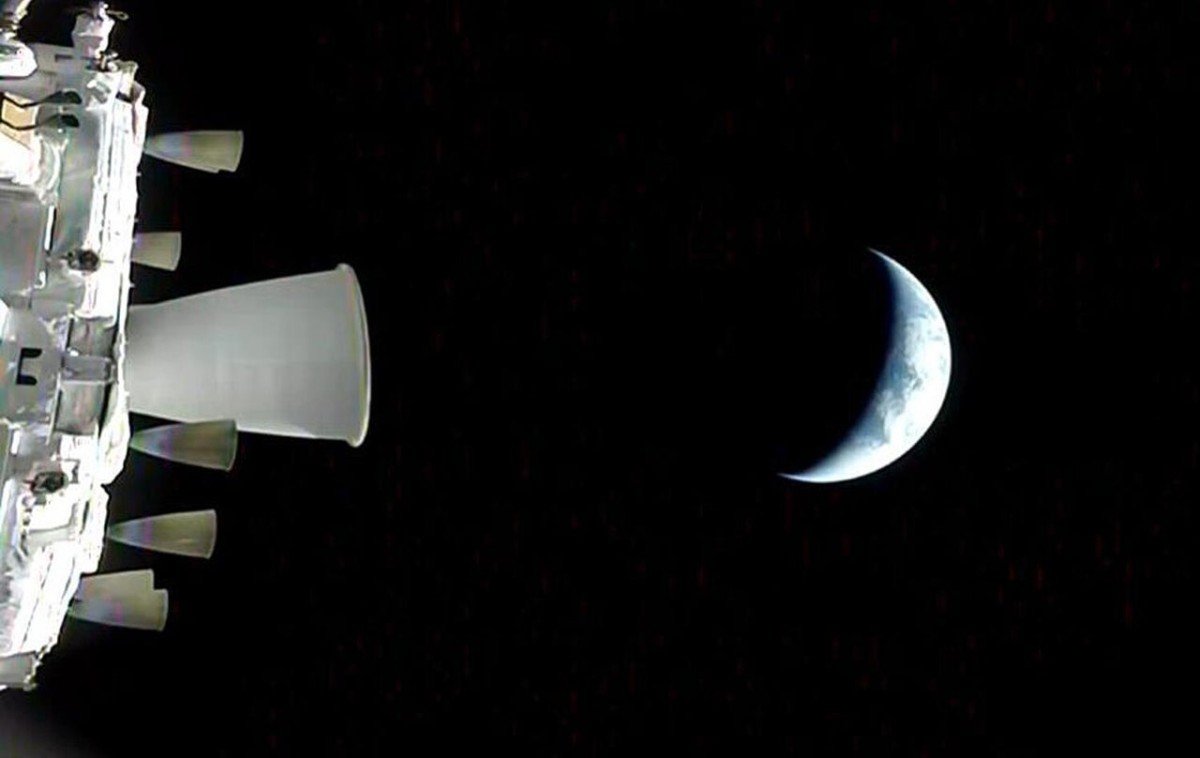
Artemis II also sits within a larger vision that extends beyond a single journey. It follows the uncrewed Artemis I and prepares the way for Artemis III, where humans are expected to return to the Moon’s surface.
But even that is not the final goal. The Moon is increasingly seen as a stepping stone, a place to learn how to live and operate beyond Earth before attempting missions to Mars and beyond.
In that sense, Artemis II is less about revisiting history and more about redefining humanity’s place within it.